WEEKLYEveryday
- Wipe with a damp cloth, then a dry one. No silicone sprays or polishes.
- Coasters and trivets under hot pans and cold glasses.
- Lift, don't drag, anything with feet across the top.
Heirloom tables, chairs and casework from walnut, cherry, white oak, maple and chestnut salvaged from old Appalachian barns. Cut, joined and finished by hand in our shop in Leicester, one piece at a time.
We are three cabinetmakers in a converted tobacco barn just off NC 63 in Leicester. Most of our lumber comes from trees that came down within forty miles of the shop, and from barns that were coming down anyway. Every joint that carries weight is cut, not screwed.
Pieces we make again and again, each from a new board. Priced pieces are in the shop now or can be built in eight to twelve weeks; the rest are built to your room.
Pick a piece, a species and a size, and the builder sketches it to scale and gives you an honest range and a lead time. A real quote follows a visit and a look at the boards.
A table you order this spring may come from a tree that fell three winters ago. We mill our own logs, dry them slowly, and keep each tree's boards together so a tabletop reads as one piece of wood.

Storm-downs, town removals and farm clearings. We never fell a healthy tree for a table.
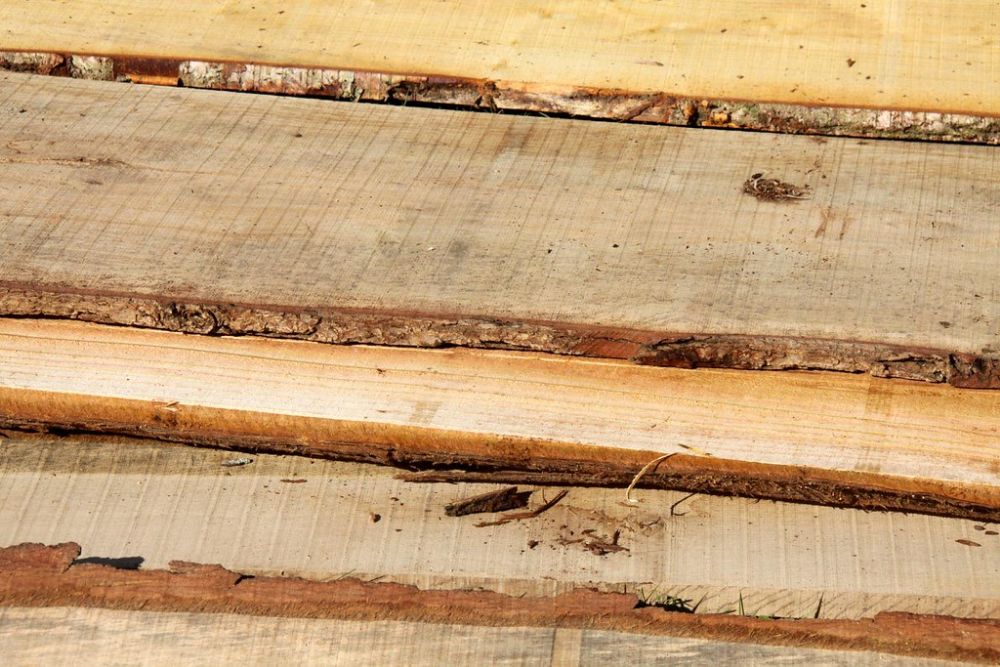
Sawn through-and-through, stacked in order with spacer sticks so air moves between every board.
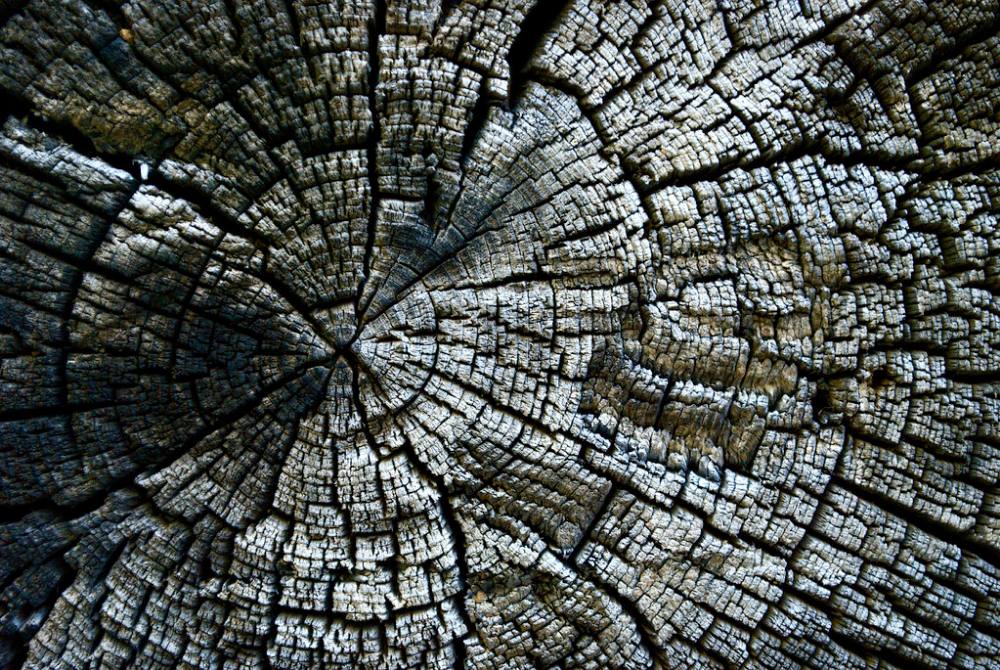
The old rule of thumb is about a year of air-drying per inch of thickness. A short kiln run finishes the job and sets the pitch.
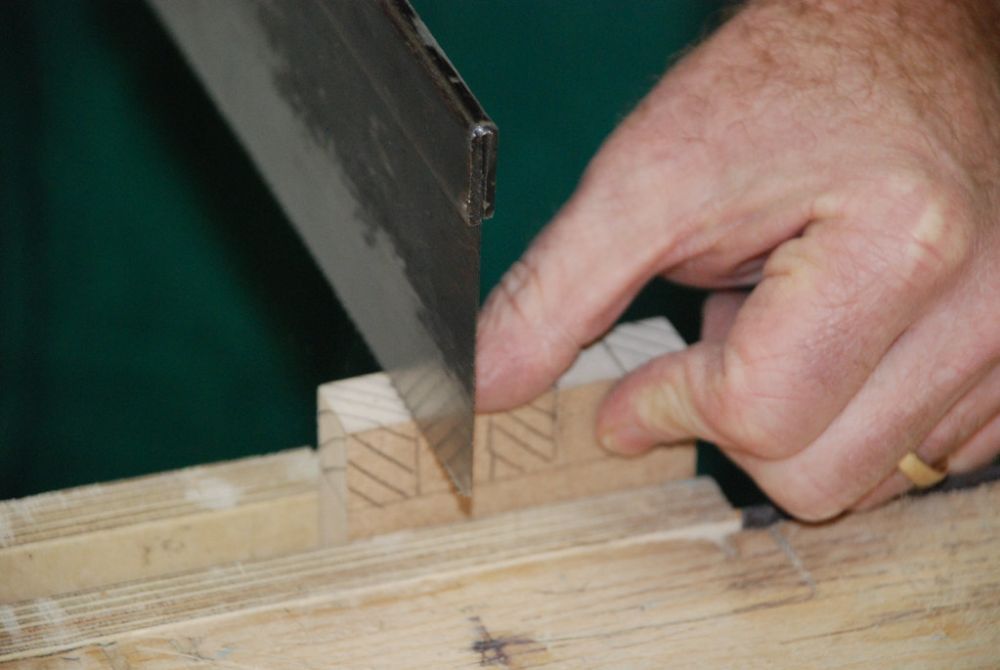
Boards are matched for grain, then joined: mortise and tenon, dovetail, drawbore pins.
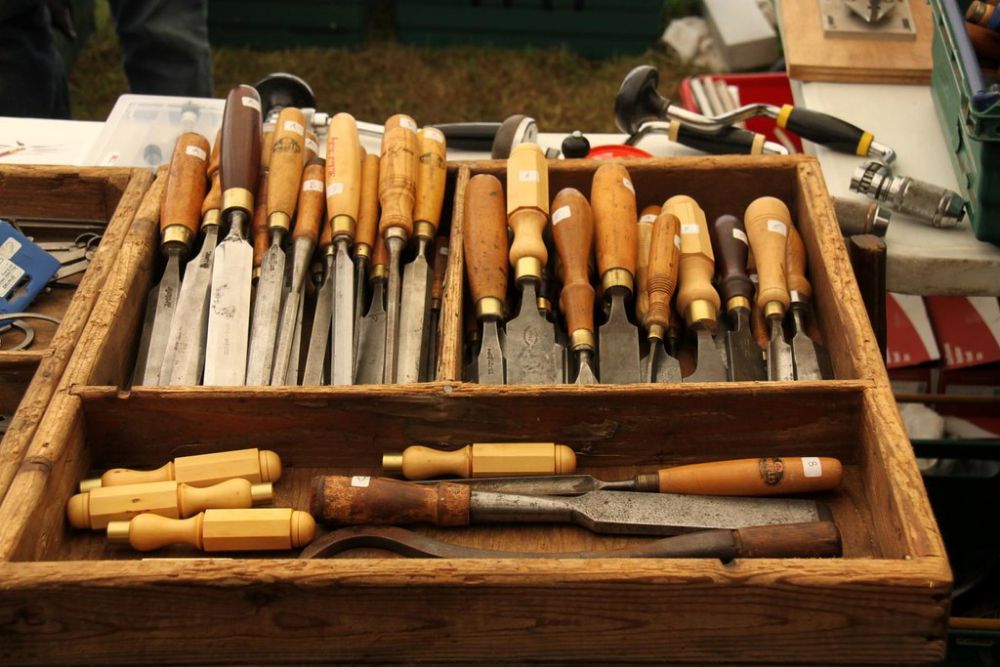
Hand planes and chisels for the last thousandth. Edges are shaped to the profile you chose.
Three to five coats, a week of cure, and we carry it into your house ourselves across most of WNC.
Hardness is the Janka side-hardness test: the force needed to press a steel ball halfway into the wood. Weights are average dried weight at 12% moisture. Sources are listed in the site's notes.
Open shop on the first Saturday of the month, plus small classes at the long bench. Six seats at most, all tools provided, the wood stove is always lit in winter.
Solid wood is alive to the air around it. A little attention keeps the finish fresh for decades, and almost anything can be repaired.
A rough guide, not a lab figure: a 40-inch-wide flatsawn top can change width by around a quarter of an inch between a muggy August and a wood-stove January. That is why our tops float on buttons instead of being glued down.
If yours isn't here, call the shop. Someone with sawdust on their hands will pick up.
Most dining tables take ten to fourteen weeks from deposit, chairs a little longer. Our queue is usually six to ten weeks deep before your build starts. The builder above gives a current estimate.
Often, yes. We'll look at the log, mill it with a portable sawmill partner, and dry it here. Plan on waiting while it dries; a slab two inches thick needs a couple of years of air-drying before it's ready for a table.
Yes, and it all comes from old buildings. Chestnut blight killed nearly all mature American chestnut trees in the early twentieth century, so there is no new chestnut lumber to speak of. Every board we use came out of a barn, a corn crib or a cabin, nail holes and all.
A third at signing buys the lumber and holds your place in the queue. A third when the joinery is done and you've approved it in person or by video, and the last third on delivery.
We deliver and set up across Buncombe, Madison, Haywood, Henderson and Yancey counties for a flat fee. Further afield, we crate and ship with a blanket-wrap carrier.
That's what we design for: solid wood, tops that can move, joints that can be knocked apart and re-glued by a cabinetmaker who hasn't been born yet. We sign and date every piece underneath.
Book a visit, walk the lumber barn, and put your hand on the boards your table will come from.