Plants that already know these mountains.
Wildflowers, shrubs and seed native to the Blue Ridge, raised in our growing yard north-west of Asheville. Nothing dug from the wild, every tray labelled the way a botanist would.
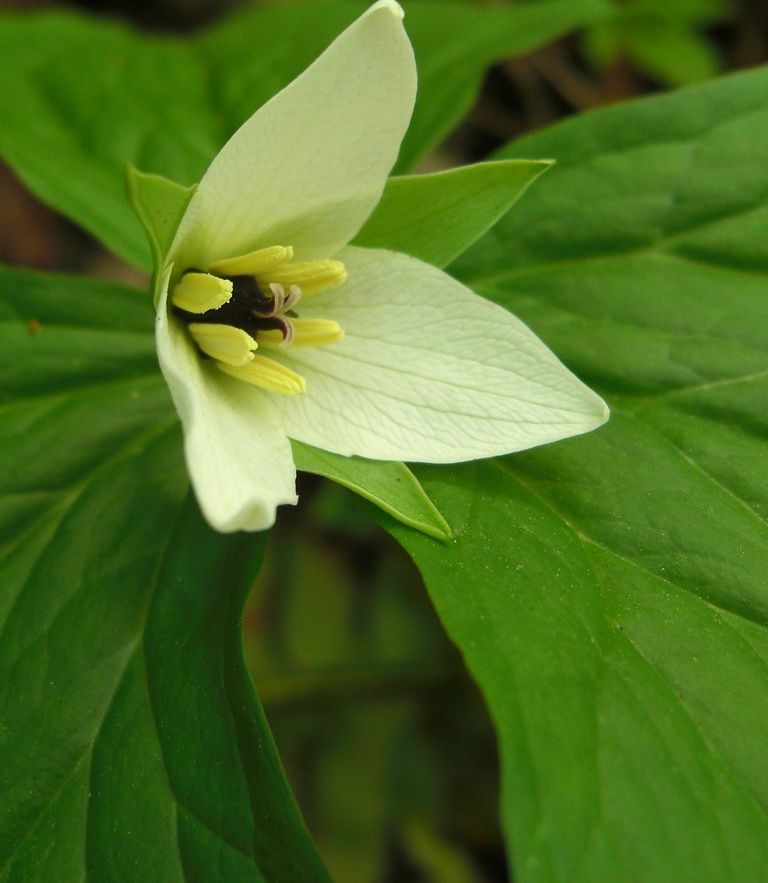
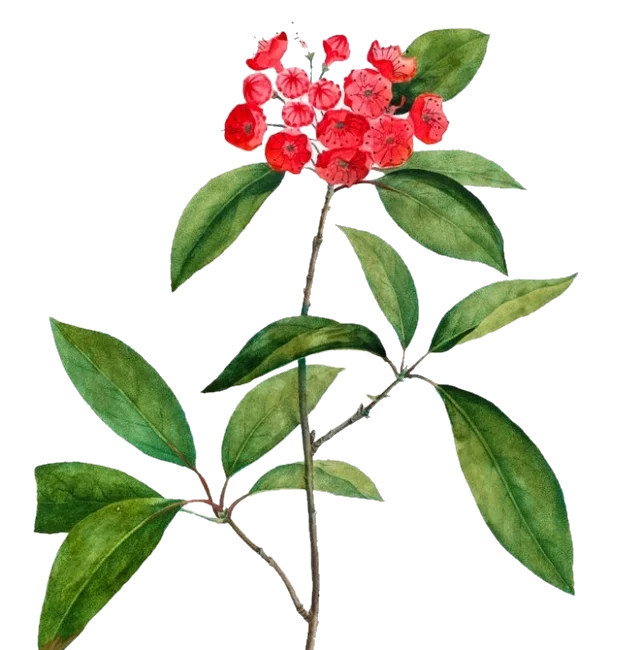 Plate II · EricaceaeKalmia latifoliaMountain laurel
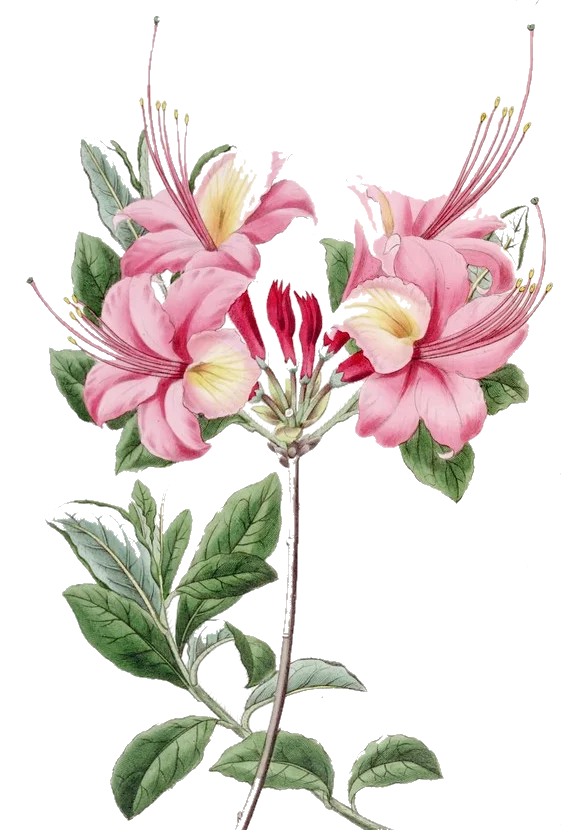
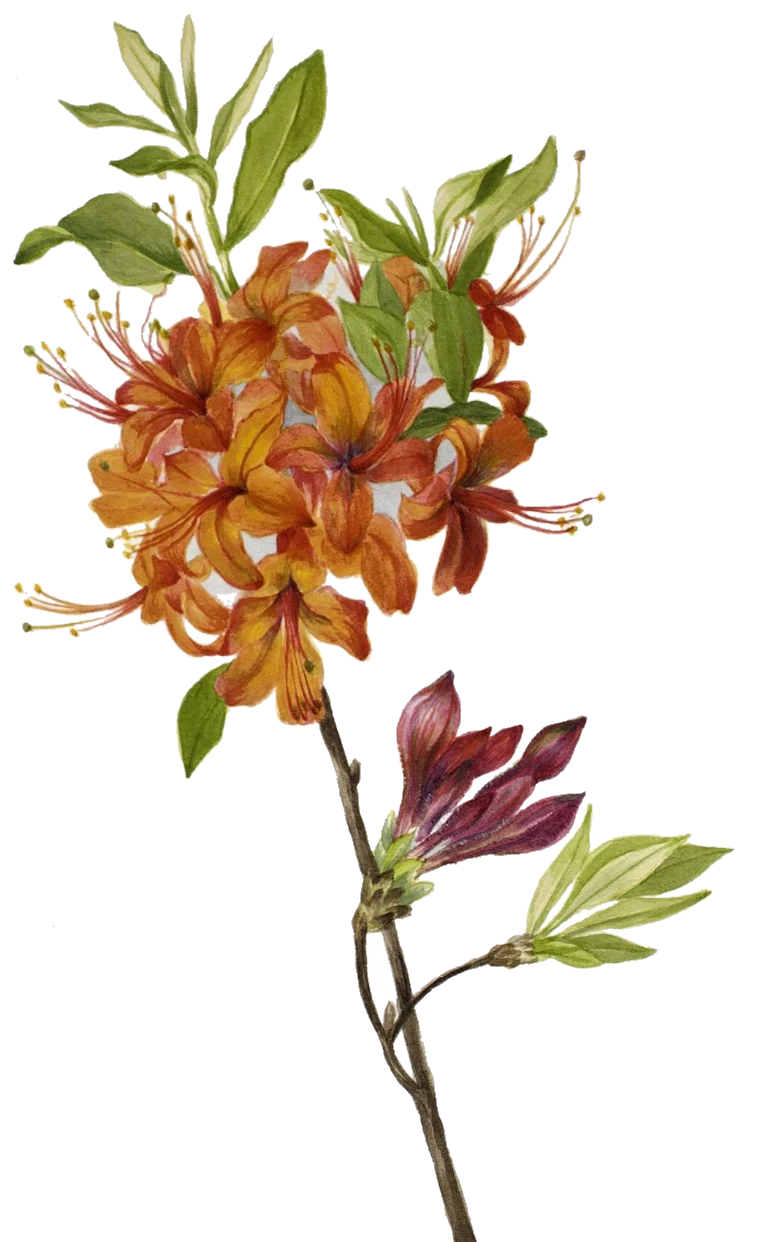 Wake-Robin · No. 0417Rhododendron calendulaceumFlame azalea
Blooms May–July
Seed-grown, Buncombe Co.
- Seed from cultivated stock, never the woods
- Spring plug pre-orders open
- Pickup at the yard or Saturday tailgate in Weaverville
Sixteen natives, sorted by your ground.
Tell us how much sun you get, how wet the soil stays and who you want to feed. Every sheet opens into a full specimen record with bloom months, height and what to expect in the first year.
Within a group, any ticked box matches. Groups combine. Sheets open for the full record.
A bed that blooms from April to October.
Pick a bed size and your conditions. The planner chooses perennials that suit them, spaces them in drifts and checks that something is flowering in spring, summer and fall.
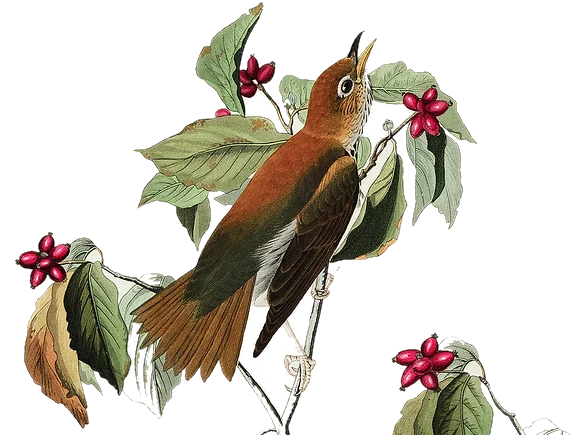
What's on the benches, season by season.
Seed packets ship now. Spring plugs and quarts are grown to order and ready from mid-April; reserve now and we hold them under your name. Payment happens at pickup.
| Plant | Size | Price | Status | Qty |
|---|
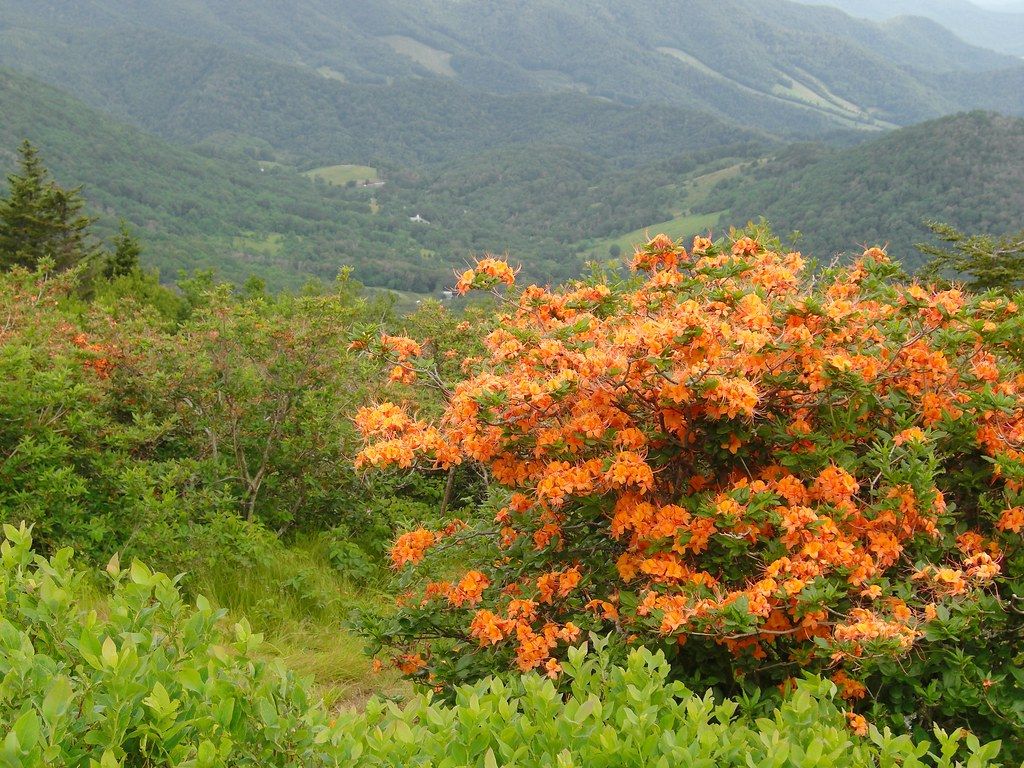
“Every flat of flame azalea on our benches started as a seed from a parent plant we can walk you to.”Ada Morrow & June Pressley, growers
A seed bank, not a shovel.
Wake-Robin began as two friends trading seed of mountain wildflowers out of a pickup. It is now an acre of benches and shade houses, but the rule hasn't changed: we start plants from seed or division of stock we grow ourselves, and we keep a record of where every line came from.
- SeedCollected from our own stock beds, cleaned by hand, cold-stratified over winter where the species needs it.
- LabelsEvery pot carries its Latin name, family and source county, like a herbarium sheet.
- Straight speciesNo cultivars or double-flowered selections. What we sell is what grows on the ridge.
- SoilPeat-free mix made with composted pine bark.
Learn the plants with dirt on your hands.
Small groups, held under the shade house whatever the weather. Bring gloves; we supply seed, trays and coffee.
Come walk the benches.
The yard sits on a creek-bottom in the hills outside Leicester, about 25 minutes from downtown Asheville. Directions come with your pickup confirmation; the last mile is gravel but any car makes it.
| Thursday – Friday | 10 am – 4 pm |
| Saturday | 9 am – 3 pm |
| Weaverville tailgate | Sat, Apr – Jun |
| November – February | By appointment |
Call 828-555-0147 or write to hello@example.com.
Before you dig in.
If yours isn't here, ask at the yard or by email. We answer every one.
Q.01Why plant natives at all?
Native plants and native insects grew up together. Many of our bees, moths and butterflies can only feed or raise young on particular native plants, so a bed of natives feeds far more life than the same bed of imported ornamentals. Once established in the right spot, they also need less watering and fuss, because they are already suited to our rain, clay and cold snaps.
Q.02Do you sell ginseng, ramps or other wild-dug plants?
No, and please don't buy them from anyone who digs them. Wild ginseng and ramps are poached from these mountains every year, and patches that took decades to grow can be cleared in an afternoon. If you want ramps or ginseng, grow them from responsibly sourced seed on your own land.
In Great Smoky Mountains National Park, removing plants or any natural materials is prohibited without a permit. On private land, dig only with the owner's permission. We never accept plants from unknown sources, and we never sell anything collected from the wild.
Q.03Are your plants cultivars or “nativars”?
No. We grow straight species from seed, so every plant is a little different, the way a wild population is. That variety is part of what keeps a planting healthy.
Q.04When should I plant?
Spring (mid-April to early June) and fall (September to mid-October) are best in the mountains. Fall planting gives roots a head start. Water new plants weekly through their first summer unless it rains.
Q.05Will deer eat them?
Deer will try almost anything once. Mountain mint, foamflower, columbine and the goldenrods tend to be left alone in our beds; lilies and trilliums are deer favourites, so fence or net them.
Q.06Do you ship?
Seed ships anywhere in the U.S. Live plants are pickup only, at the yard or at the Saturday tailgate in Weaverville, so they don't spend days in a box.